Steel Fox Blog
Plug-In Hybrids Need Home Charging Too
July 9, 2026
Drive around Centre or Clearfield County and you will see plug-in hybrids everywhere. Wrangler 4xe, RAV4 Prime, Grand Cherokee 4xe, Escape, Pacifica, Outlander. Most of those owners never think about a charger install because the car came with a cord and it technically works. But if you own a plug-in hybrid and you are still on that wall cord, you are missing the best part of the vehicle.
The Wall Cord Problem
The cord that came in the trunk plugs into a regular 120-volt outlet and charges at a trickle. On most plug-in hybrids that means 8 to 13 hours for a full battery. Get home at six, run back out for practice pickup at seven, and the battery never really fills. So the car quietly does most of its driving on gas, which is exactly what you bought it to avoid.
What Level 2 Does for a Plug-In Hybrid
A plug-in hybrid battery is small, usually 10 to 20 kWh. On a 240-volt Level 2 setup, that fills in roughly 1.5 to 3 hours instead of overnight. That changes how you drive the car. Plug in when you get home, and the battery is full again before your next trip out. Around town you drive electric essentially all the time, and gas becomes something you buy for long trips. If you want to see what public charging exists along your regular routes, PennDOT's 511PA map shows every public station in Pennsylvania. Plenty of plug-in hybrid owners with Level 2 go weeks between fill-ups.
Sizing the Install: Two Good Ways to Go
A plug-in hybrid’s onboard charger accepts 3.3 to 7.2 kW, and the car only ever draws what it can handle. That fact gives you two good options, and I install both all the time.
The future-proof route. A lot of my customers put in a full-size Level 2 charger on a 60-amp circuit even for a plug-in hybrid. The car simply throttles to what it can take today, and when the next vehicle in the driveway is a full EV, the charging is already done. No second install, no second visit, full 48-amp capacity waiting.
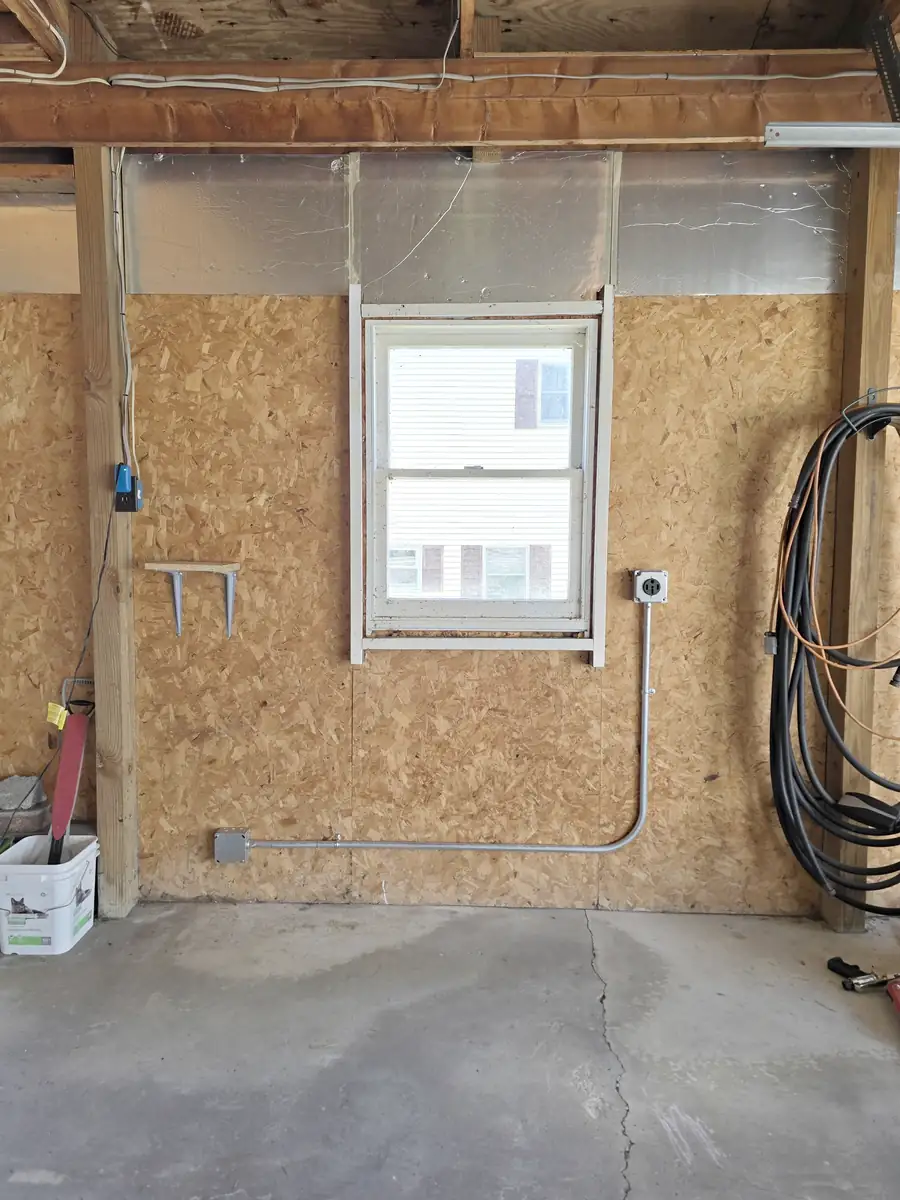
The right-sized route. If the plug-in hybrid is the long-term plan, a circuit matched to the car or a simple 240-volt outlet like a NEMA 14-50 covers everything it can use, and a panel upgrade is rarely needed. We walk your panel and your plans during the free estimate and lay out both with real numbers.
The Plug-In Hybrids We See Around Central PA
Jeep Wrangler 4xe and Grand Cherokee 4xe, Toyota RAV4 Prime and Prius Prime, Ford Escape PHEV, Chrysler Pacifica Hybrid, Mitsubishi Outlander PHEV, and the Hyundai and Kia plug-ins. All of them charge on the same 240-volt home setups we install every week. If your model is not on that list, it still almost certainly works, the J1772 plug is universal on plug-in hybrids.
The Winter Bonus
Pennsylvania winters are where a plugged-in hybrid really earns it. Most of these vehicles can preheat the cabin and condition the battery while still connected to wall power, so you start your morning warm without burning battery or gas to do it. Wrangler 4xe owners especially love this one.
What It Costs
A right-sized plug-in hybrid setup often lands at the lower end of our standard $500 to $1,200 range, and a full-size, future-proof install runs the same as any Level 2 charger install. Either way it is labor and materials included, usually done in one visit. We look at your panel and parking spot first and give you an exact number before any work starts. Full cost breakdown here.
Related
Ready to get started?
Free estimate for Central PA homeowners
Steel Fox EV & Electric serves State College, Philipsburg, Clearfield, Boalsburg, Bellefonte, Port Matilda, and surrounding Central PA communities. Text or call 814-554-0350 or request a free estimate online.
Get a Free Estimate